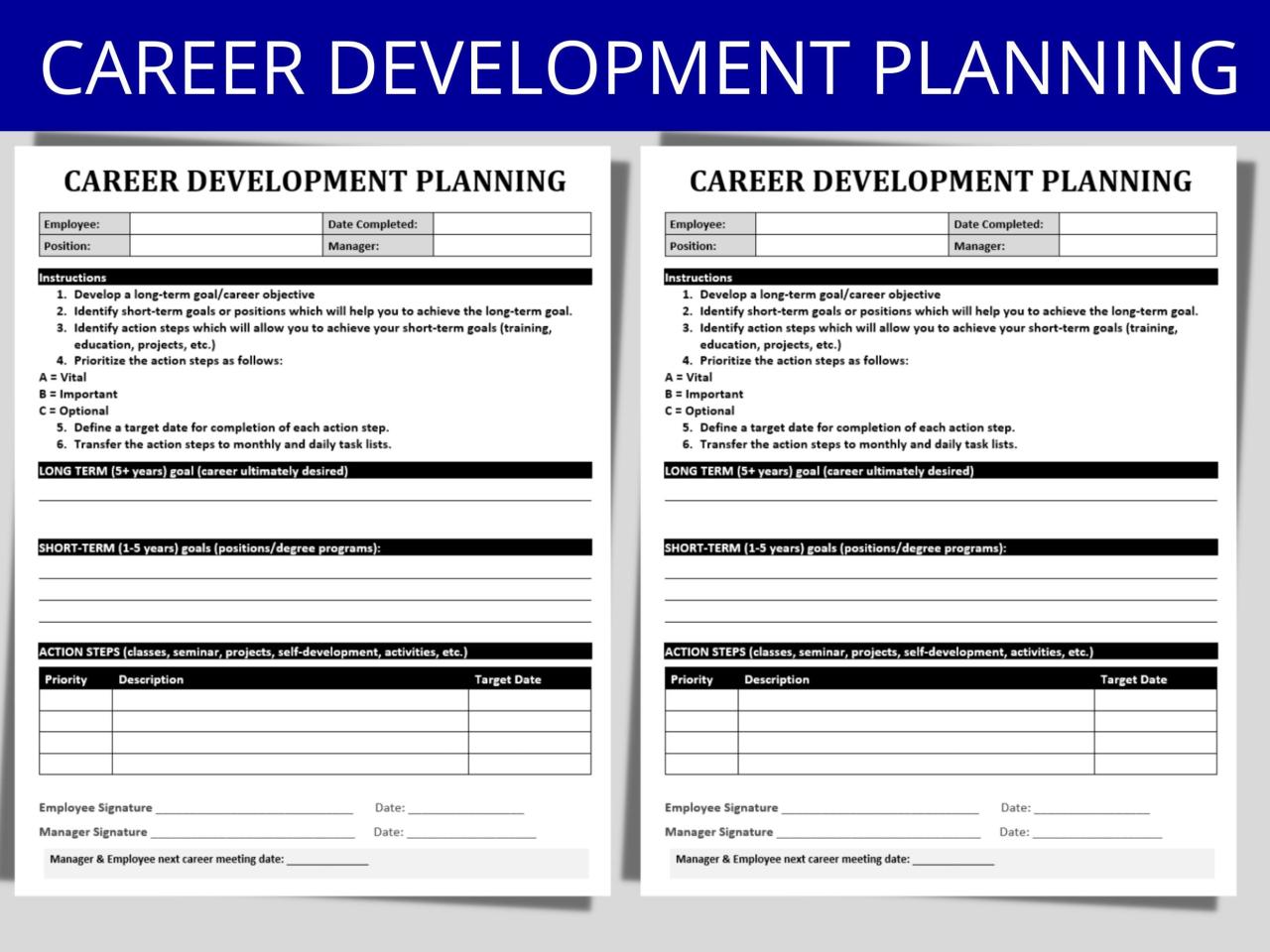
Career Planning Resources are essential tools and information that guide individuals on their journey to professional fulfillment. By understanding your strengths, interests, and the landscape of available opportunities, you can make informed decisions that shape your career path. In today’s fast-paced world, having access to reliable career planning resources can empower you to navigate the complexities of the job market and connect you with the right opportunities.

Exploring various resources, from online guides and workshops to mentorship programs, can significantly enhance your career development. These resources not only provide valuable insights into different industries and roles but also equip you with the skills needed to thrive in an ever-evolving workplace. Whether you are just starting out or looking to make a career transition, the right planning tools can help you discover the best avenues to achieve your goals.
Exercise is an essential pillar for a healthy lifestyle. Engaging in physical activity on a daily basis not only enhances physical fitness but also contributes significantly to mental well-being. This article delves into the numerous benefits of daily exercise, providing insights that can motivate you to incorporate movement into your daily routine.
1. Physical Health Benefits: Career Planning Resources
Daily exercise is crucial for maintaining optimal physical health. It strengthens the cardiovascular system, enhances lung capacity, and improves overall circulation. Regular physical activity can help prevent chronic diseases such as obesity, type 2 diabetes, and heart disease. Here’s a closer look at some of these health benefits:
- Weight Management: Exercise burns calories, which helps in maintaining a healthy weight. Coupled with a balanced diet, regular exercise can prevent overweight and obesity.
- Strengthens Muscles and Bones: Activities such as weight lifting, yoga, and resistance training can bolster muscle strength and bone density, reducing the risk of fractures and osteoporosis as one ages.
- Boosts Immunity: Engaging in regular physical activity can strengthen the immune system, making your body more resilient to infections and illnesses.
2. Mental Health Benefits
Exercise is not only beneficial for the body but also plays a vital role in mental health. It is known to reduce symptoms of anxiety, depression, and stress, promoting a more positive outlook on life. Here are some key mental health advantages:
- Improved Mood: Physical activity stimulates the release of endorphins, often referred to as ‘feel-good’ hormones. This can lead to improved mood and emotional well-being.
- Enhanced Sleep Quality: Regular exercise can help you fall asleep faster and deepen your sleep, allowing for better restorative rest.
- Increased Self-Esteem: Accomplishing fitness goals can enhance self-confidence and self-image, contributing to a more positive sense of self.
3. Social Benefits
Incorporating exercise into your routine can also foster social connections. Whether you join a gym, take a fitness class, or participate in group sports, exercising with others can lead to increased motivation and enjoyment. Here are some social benefits of daily exercise:
- Community Engagement: Group activities or classes allow you to meet like-minded individuals, fostering a sense of community and belonging.
- Accountability: Exercising with friends can create a support system, helping you stay committed to your fitness goals.
- Shared Experiences: Participating in team sports or group challenges can forge strong friendships and shared memories.
4. Cognitive Benefits
Engaging in regular physical activity can also enhance cognitive functions. Studies have shown that exercise can improve memory, attention, and overall brain health. Here’s how:
- Increased Blood Flow to the Brain: Physical activity increases blood flow to the brain, which can help improve cognitive functions and potentially reduce the risk of cognitive decline.
- Enhanced Brain Plasticity: Exercise promotes the production of neurotrophic factors, which can enhance brain plasticity and improve learning capabilities.
- Better Focus and Concentration: Regular physical activity can improve focus and concentration, which is invaluable for both work and daily tasks.
5. Tips for Incorporating Daily Exercise
Now that we’ve explored the myriad benefits of daily exercise, you might be wondering how to incorporate it into your busy lifestyle. Here are some practical tips:
- Set Realistic Goals: Start with achievable goals, such as 20-30 minutes of moderate exercise several days a week, and gradually increase intensity and duration.
- Choose Enjoyable Activities: Select exercises that you enjoy, whether it’s dancing, cycling, swimming, or hiking. This will make it easier to stay motivated.
- Schedule Your Workouts: Treat your exercise time as an important appointment. Schedule it into your calendar to ensure you make time for it.
- Incorporate Movement into Daily Life: Take the stairs instead of the elevator, walk or bike instead of driving, and engage in active hobbies to increase your overall activity level.
Conclusion
In conclusion, the benefits of daily exercise extend far beyond just physical health; they encompass mental, social, and cognitive advantages as well. By making physical activity a regular part of your life, you can significantly enhance your quality of life and overall well-being. Remember, every little bit counts—so get moving today!