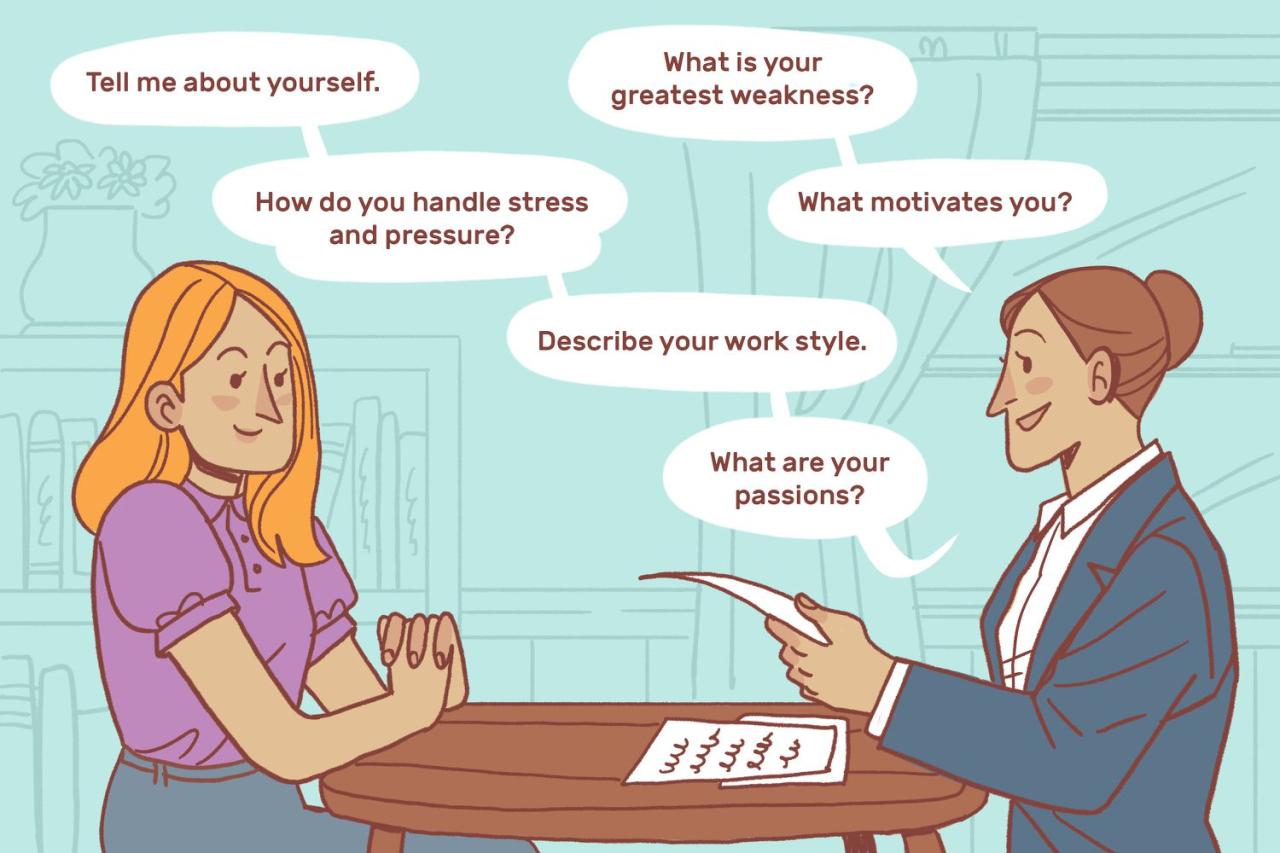
Job Interview Questions can often feel daunting, yet they serve as a crucial gateway to securing your dream job. Understanding these questions not only prepares you for the interview but also boosts your confidence. With the right approach, you can transform what seems like an intimidating experience into an opportunity for self-presentation and connection with potential employers.
In this guide, we will explore various types of job interview questions, from behavioral inquiries to skills assessments, and provide strategies to formulate effective responses. By familiarizing yourself with common queries and the rationale behind them, you will be better equipped to showcase your capabilities and fit for the role.
In today’s fast-paced and often chaotic world, the practice of mindfulness has emerged as a powerful tool for enhancing mental well-being and personal effectiveness. Mindfulness, in its simplest form, refers to the practice of being fully present and engaged in the current moment, without judgment. It is about noticing what you are experiencing—your thoughts, feelings, and surroundings. This article delves into the significance of mindfulness, its benefits, practical applications, and tips for integrating mindfulness into daily life.

Understanding Mindfulness
Mindfulness has its roots in ancient meditation practices, particularly those derived from Buddhism. However, it has gained popularity in the West as a secular practice that can benefit anyone, irrespective of their background. At its core, mindfulness is about awareness. It encourages individuals to observe their thoughts and feelings without getting caught up in them. This non-judgmental approach helps in reducing stress and anxiety, leading to a more balanced and fulfilling life.
Benefits of Mindfulness
Numerous studies have highlighted the benefits of mindfulness for both mental and physical health. Here are some of the key advantages:
- Stress Reduction: Mindfulness helps lower stress levels by promoting relaxation and clarity of thought.
- Enhanced Focus: Practicing mindfulness improves concentration and cognitive flexibility, enabling better decision-making.
- Improved Emotional Regulation: Mindfulness fosters a greater awareness of emotional responses, which can lead to healthier coping mechanisms.
- Better Relationships: Being present in interactions can enhance communication and empathy, thereby strengthening relationships.
- Increased Resilience: Mindfulness can help individuals cope with adversity and bounce back from challenges more effectively.
Practical Applications of Mindfulness
Incorporating mindfulness into your daily routine does not require extensive time or resources. Here are some practical applications:
1. Mindful Breathing
Taking just a few moments to focus on your breath can ground you in the present. Inhale deeply through your nose, hold for a moment, and exhale slowly through your mouth. Repeat this process several times to calm your mind.

2. Mindfulness Meditation
Set aside 10-15 minutes each day for mindfulness meditation. Find a quiet space, sit comfortably, and focus on your breath or a specific mantra. When your mind wanders, gently guide your attention back to your breathing.
3. Mindful Eating, Job Interview Questions
Transform your meals into an opportunity for mindfulness. Pay attention to the colors, textures, and flavors of your food. Chew slowly and savor each bite, which can help improve digestion and satisfaction with your meals.
4. Mindful Walking
When walking, pay attention to the sensations in your feet and legs. Notice the rhythm of your steps and the sounds around you. This practice can turn a simple walk into a meditative experience.
Tips for Integrating Mindfulness into Daily Life: Job Interview Questions
Here are some tips to help you seamlessly integrate mindfulness into your everyday routine:
- Start Small: Begin with a few minutes of mindfulness practice each day and gradually increase the duration as you become more comfortable.
- Use Reminders: Set reminders on your phone or sticky notes around your home to prompt you to take mindful pauses throughout your day.
- Join a Group: Consider joining a local or online mindfulness group for support and motivation.
- Be Patient: Mindfulness is a skill that develops over time. Be patient with yourself as you learn and grow in this practice.
Conclusion
In conclusion, mindfulness is a valuable practice that can enhance your quality of life by promoting awareness, reducing stress, and improving emotional health. By integrating mindfulness into your daily routine, you can cultivate a greater sense of presence and connection to the world around you. Start small, be consistent, and watch as mindfulness transforms your life in meaningful ways.