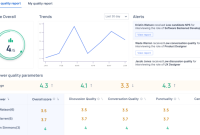
Interview Success Toolkit is your ultimate guide to mastering the art of interviews, providing you with essential strategies to stand out in a competitive job market. This toolkit offers insights into what makes a successful interview, from preparation to follow-up, ensuring that you are well-equipped to showcase your skills and experiences effectively.
As you delve into the components of this toolkit, you’ll discover practical tips, common pitfalls to avoid, and techniques that can enhance your interview performance. Whether you’re a seasoned professional or a fresh graduate, understanding the dynamics of interviews can significantly boost your confidence and increase your chances of landing your dream job.
Exercise is often touted as a cornerstone of a healthy lifestyle. It encompasses a wide range of activities that can improve your physical, mental, and emotional well-being. Regular exercise not only helps in maintaining a healthy weight but also brings a plethora of other benefits that can significantly enhance the quality of your life. This article delves into the various advantages of integrating physical activity into your daily routine.
Physical Health Benefits: Interview Success Toolkit
One of the most recognized benefits of regular exercise is the improvement of physical health. Engaging in physical activity helps to strengthen the heart, lungs, and muscles. Here are some key points regarding physical health benefits:
- Weight Management: Regular exercise helps to burn calories, which aids in maintaining a healthy weight. It creates a caloric deficit, which is crucial for weight loss.
- Cardiovascular Health: Aerobic exercises, such as running or cycling, improve heart health by increasing blood circulation and lowering blood pressure, thus reducing the risk of heart diseases.
- Bone Strength: Weight-bearing exercises, like walking or resistance training, enhance bone density, reducing the risk of osteoporosis.
- Enhanced Immune Function: Moderate, regular exercise is associated with a stronger immune system, leading to fewer illnesses.
Mental Health Benefits
Exercise is not just beneficial for the body; it is also crucial for mental health. Engaging in physical activities can lead to improvements in mood and cognitive function. Here are some mental health benefits:
- Reduction in Stress and Anxiety: Physical activity can decrease levels of stress hormones and trigger the release of endorphins, often referred to as ‘feel-good’ hormones.
- Improved Mood: Regular exercise has been linked to lower levels of depression and anxiety, acting as a natural antidepressant.
- Enhanced Cognitive Function: Exercise improves brain function by promoting blood flow and oxygen to the brain, which can lead to better memory and concentration.
- Increased Sleep Quality: Regular physical activity can help you fall asleep faster and deepen your sleep, leading to improved overall rest.
Social Benefits
Participating in exercise, particularly in group settings, offers social benefits as well. Engaging in physical activities can lead to:
- Increased Social Interaction: Group workouts, sports, or fitness classes provide opportunities to meet new people and foster friendships.
- Support Networks: Exercise groups or classes can create a sense of community and provide support and encouragement to achieve personal fitness goals.
- Enhanced Motivation: Working out with others can increase motivation and accountability, making it easier to stick to an exercise routine.
Tips for Incorporating Exercise into Your Routine
Getting started with regular exercise doesn’t have to be overwhelming. Here are some practical tips to help you incorporate physical activity into your daily life:
- Set Realistic Goals: Begin with achievable goals to build confidence and gradually increase the intensity and duration of your workouts.
- Find an Activity You Enjoy: Whether it’s dancing, swimming, cycling, or yoga, finding a fun activity increases the likelihood of sticking with it.
- Create a Schedule: Dedicate specific times for exercise in your weekly schedule, treating them as important appointments.
- Mix It Up: Incorporate a variety of exercises to prevent boredom and work different muscle groups. This can include a combination of cardio, strength training, and flexibility exercises.
Conclusion
In conclusion, regular exercise brings a wide array of benefits that enhance both physical and mental health while fostering social connections. By committing to a consistent exercise routine, you can improve your overall quality of life and promote longevity. Remember, the most important step is to start small, find joy in movement, and gradually build upon your efforts. Here’s to a healthier, happier you!