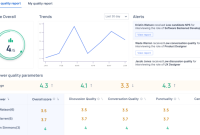
Interview Skills Toolkit opens the door to an essential aspect of career development, equipping you with the necessary tools to excel in interviews. In today’s competitive job market, possessing strong interview skills is crucial for making a lasting impression on potential employers. This toolkit will guide you through the fundamentals of interview preparation, techniques, and best practices, ensuring you approach your next interview with confidence and clarity.

From understanding the various types of interviews to mastering the art of self-presentation, this toolkit covers everything you need to know. Whether you’re a seasoned professional or a fresh graduate, the insights and strategies included will enhance your interviewing prowess and help you navigate any interview scenario effectively.
In today’s fast-paced world, finding moments of peace and clarity can be a challenge. Many people are seeking effective ways to manage stress and enhance their overall well-being. One practice that has gained significant popularity in recent years is mindfulness meditation. This article will explore the various benefits of mindfulness meditation and provide practical tips on how to incorporate it into your daily life.
What is Mindfulness Meditation?
Mindfulness meditation is a practice that involves focusing your mind on the present moment while calmly acknowledging and accepting your feelings, thoughts, and bodily sensations. It has roots in Buddhist traditions but has been embraced by people of all backgrounds for its mental and physical health benefits.
The Science Behind Mindfulness: Interview Skills Toolkit
Research has shown that mindfulness meditation can have profound effects on the brain. Studies using neuroimaging techniques have demonstrated that regular meditation can lead to changes in brain structure and function. For instance, it has been found to increase the thickness of the prefrontal cortex, which is responsible for higher-order brain functions such as awareness, concentration, and decision-making.
Benefits of Mindfulness Meditation
1. Reduces Stress
One of the most well-known benefits of mindfulness meditation is its ability to reduce stress. By focusing on the present moment, individuals can lessen the impact of stressors and cultivate a sense of calm.

2. Enhances Focus and Concentration
Mindfulness meditation trains the brain to focus on a single point of reference, such as the breath. This practice can improve concentration and attention span, making it easier to complete tasks and stay productive.
3. Promotes Emotional Health
Engaging in mindfulness meditation can lead to improved emotional well-being. Studies have shown that it can decrease symptoms of anxiety and depression, allowing individuals to experience more positive emotions and a greater sense of life satisfaction.
4. Improves Relationships
Mindfulness can enhance relationships by fostering better communication and empathy. When individuals practice mindfulness, they become more attuned to their own feelings and those of others, leading to more meaningful connections.
5. Aids in Pain Management
Many people suffer from chronic pain, and mindfulness meditation can serve as an effective tool for pain management. By changing the perception of pain and increasing relaxation, individuals can find relief and improve their quality of life.
How to Practice Mindfulness Meditation
Step 1: Find a Quiet Space
Choose a comfortable and quiet location where you can sit or lie down without interruptions. A tranquil environment will help you focus better.
Step 2: Set a Time Limit
If you’re just starting, you might want to begin with short sessions of around 5 to 10 minutes. As you become more accustomed to the practice, you can gradually increase the duration.
Step 3: Focus on Your Breath
Close your eyes and take deep breaths. Pay attention to the sensation of the air entering and leaving your body. If your mind begins to wander, gently bring your focus back to your breath.
Step 4: Acknowledge Thoughts
As thoughts arise, acknowledge them without judgment and let them go. It’s natural for the mind to wander, and the goal is not to eliminate thoughts but to observe them.
Step 5: Return to the Present, Interview Skills Toolkit
Whenever you notice your mind has drifted, gently return your attention to your breathing. This practice of returning to the present moment is the heart of mindfulness meditation.
Incorporating Mindfulness into Daily Life
You don’t have to set aside a specific time for meditation to enjoy the benefits of mindfulness. Here are some ways to integrate mindfulness into your daily routine:
- Mindful Eating: Take time to savor your food, noticing the flavors and textures with each bite.
- Mindful Walking: Pay attention to your surroundings and the sensation of each step as you walk.
- Mindful Breathing: Take a few moments throughout the day to focus on your breath, especially during stressful situations.
Conclusion
Mindfulness meditation is a powerful tool for enhancing mental and emotional well-being. By incorporating mindfulness into your life, you can reduce stress, improve focus, and foster better relationships. Start with small steps, and gradually build a consistent practice that works for you. With dedication and patience, you will likely experience the transformative effects of mindfulness meditation.