Skill Learning Platforms take center stage in today’s fast-paced world, offering flexible and innovative ways to acquire new knowledge and skills. With a diverse array of courses available online, these platforms cater to all learning preferences, enabling individuals to enhance their personal and professional growth. Whether you are looking to master a new language, delve into the world of technology, or explore creative arts, skill learning platforms provide the resources and community needed to thrive.
From interactive lessons to personalized learning paths, these platforms harness the power of technology to create engaging educational experiences. Each platform brings unique features, allowing users to connect with instructors and fellow learners, fostering a collaborative environment that enriches the learning journey.
In today’s rapidly changing world, the concept of sustainable living has gained incredible prominence. As environmental issues become increasingly urgent, more individuals are recognizing the necessity of adopting practices that are not only beneficial for personal well-being but also for the planet. Sustainability transcends mere lifestyle choices; it embodies a philosophy that promotes harmony between human activities and the Earth’s ecosystems.
Understanding Sustainable Living: Skill Learning Platforms
Sustainable living refers to a lifestyle that seeks to reduce an individual’s or society’s use of the Earth’s natural resources. It encompasses a broad spectrum of practices such as reducing waste, conserving energy, and supporting renewable resources. The essence of sustainable living is to meet the needs of the present without compromising the ability of future generations to meet their own needs.
The Three Pillars of Sustainability
Sustainable living is often described through the three pillars of sustainability: environmental, economic, and social. Each pillar is interlinked and crucial for achieving a balanced and sustainable way of life.
- Environmental Sustainability: This pillar focuses on protecting natural resources and ecosystems. It involves practices like conservation of water, reducing carbon footprints, and preserving biodiversity.
- Economic Sustainability: This aspect emphasizes the importance of economic practices that support long-term viability and prosperity. It includes promoting fair trade, ethical consumerism, and sustainable business practices.
- Social Sustainability: This pillar highlights the need for social equity, community engagement, and overall well-being. It promotes access to essential services, education, and cultural development.
Why Sustainable Living Matters
Embracing sustainable living is not just a trend; it is a necessity for several compelling reasons:

1. Environmental Protection
The most pressing reason for adopting sustainable practices is to protect the environment. Climate change, pollution, and habitat destruction pose significant threats to the planet. By reducing waste and conserving energy, individuals can help mitigate these issues. For instance, using public transport or biking instead of driving reduces greenhouse gas emissions, while recycling minimizes landfill waste.
2. Resource Conservation
Our planet has finite resources, and unsustainable practices lead to their depletion. Sustainable living encourages the judicious use of resources, ensuring that they are available for future generations. Simple actions like using energy-efficient appliances, conserving water, and choosing sustainable materials can significantly reduce our consumption and preserve resources.
3. Health Benefits, Skill Learning Platforms
Living sustainably often correlates with healthier lifestyles. Consuming organic and locally sourced foods reduces exposure to harmful chemicals, while outdoor activities foster physical fitness and mental well-being. Moreover, a cleaner environment leads to fewer health problems related to pollution.
4. Economic Savings
While some may view sustainable living as an added expense, it can lead to substantial savings in the long run. Energy-efficient appliances, reduced water usage, and minimal waste production not only lower bills but also increase the longevity of resources. Additionally, investing in sustainable products often supports local economies.
Practical Steps Towards Sustainable Living
Transitioning to a sustainable lifestyle may seem daunting, but it can be achieved through incremental changes and commitments. Here are some practical steps to consider:
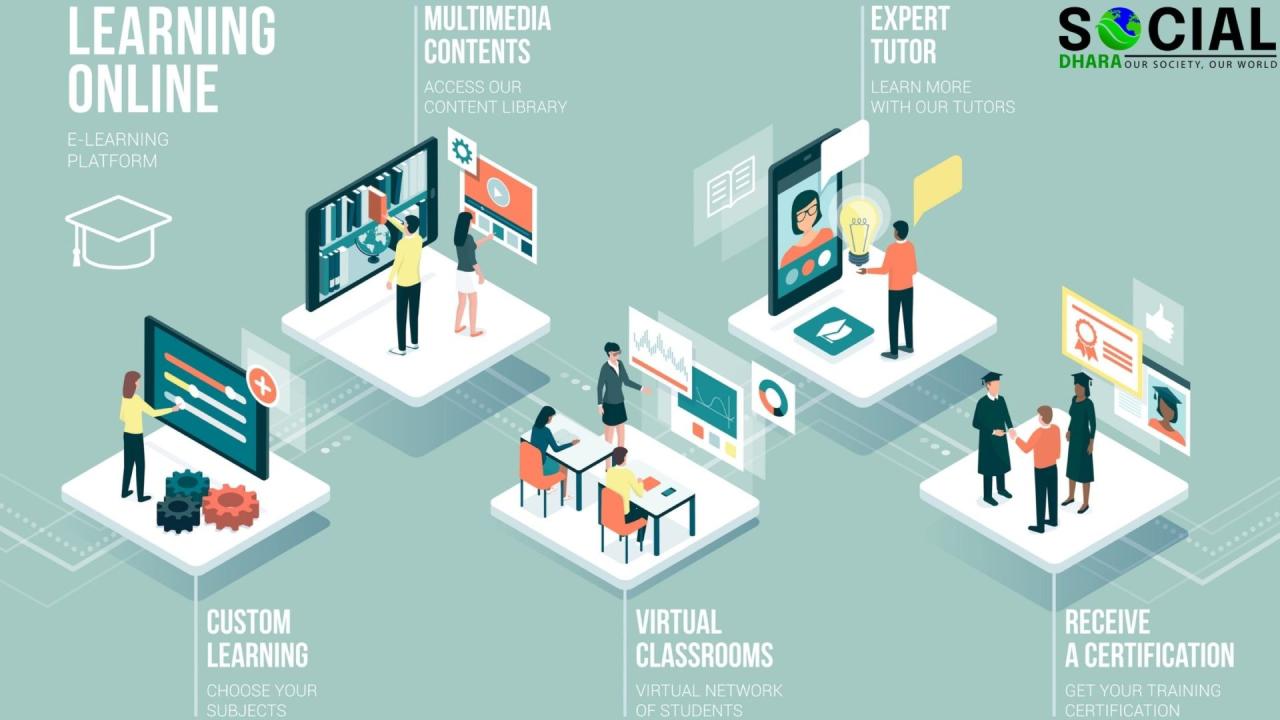
1. Reduce, Reuse, Recycle
Implement the three Rs in your daily life. Prioritize reducing consumption, reusing items when possible, and recycling materials to minimize waste. This simple practice can significantly reduce your environmental impact.
2. Conserve Energy
Implement energy-saving measures in your home, such as using LED light bulbs, unplugging devices when not in use, and investing in energy-efficient appliances. Additionally, consider utilizing renewable energy sources like solar panels.
3. Opt for Sustainable Transportation
Consider walking, biking, or using public transportation to reduce your carbon footprint. If a car is necessary, think about purchasing a hybrid or electric vehicle. Carpooling with others is another great way to decrease emissions.
4. Support Local and Sustainable Products
Choose to buy products from local farmers and businesses that prioritize sustainable practices. Not only does this support the local economy, but it also reduces the carbon footprint associated with transporting goods over long distances.

5. Educate Yourself and Others
Knowledge is power. Stay informed about environmental issues and share your knowledge with friends and family. Engaging in community discussions and participating in local sustainability initiatives can amplify your impact.
The Role of Technology in Sustainable Living
In recent years, technology has played a critical role in promoting sustainable living. Innovations such as smart home systems allow individuals to monitor and control energy consumption easily. The rise of renewable energy technologies, like solar and wind power, has made sustainable energy more accessible than ever. Additionally, advancements in sustainable agriculture, such as precision farming, help optimize resource use and minimize environmental impact.
Conclusion
In conclusion, sustainable living is an essential lifestyle choice that benefits not only individuals but also the planet as a whole. By understanding the importance of sustainability and implementing simple yet effective strategies in our daily lives, we can contribute to a healthier planet for future generations. As we embrace sustainable practices, we foster a more equitable and environmentally-friendly world.
Let’s take this journey together, making conscious choices that promote sustainability and protect our shared home.