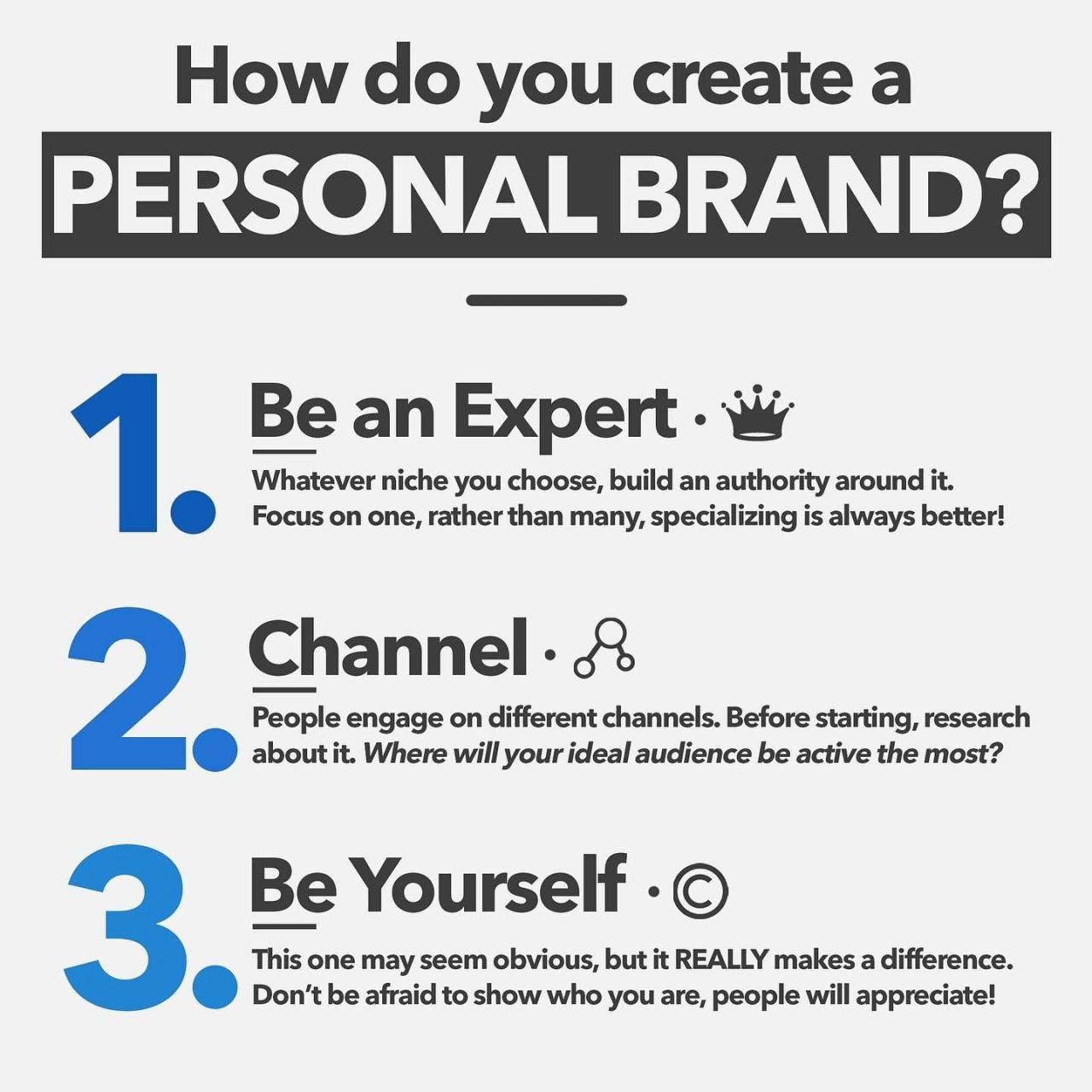
Personal Brand Development is crucial in today’s competitive landscape, where standing out from the crowd is essential. This concept revolves around how you present yourself to the world, ensuring that your unique qualities resonate with your target audience. It’s about crafting a narrative that reflects your values and skills, thereby opening doors to new opportunities and connections.
As we delve deeper into personal brand development, we will explore its significance, how it can impact your career, and the steps necessary to build a compelling personal brand. From understanding your strengths to leveraging social media, every aspect contributes to creating an authentic and memorable presence.
Sustainable living is a lifestyle choice that aims to reduce an individual’s or society’s use of the Earth’s natural resources. It is about making choices that contribute to the health of the planet and its inhabitants. In recent years, the concept of sustainability has gained immense popularity as awareness about environmental issues has increased. This article will explore the importance of sustainable living, its benefits, and practical ways to adopt it in daily life.
Understanding Sustainability
At its core, sustainability refers to the ability to maintain certain processes or states indefinitely. In the context of living sustainably, it involves balancing social, economic, and environmental factors. Sustainable living is not just about reducing consumption; it’s about creating a lifestyle that supports the well-being of future generations.

The Environmental Impact
One of the most pressing reasons for adopting sustainable living practices is the environmental impact of our current lifestyles. The Earth’s resources are finite, and many of our actions lead to depletion and degradation. For example, over-fishing, deforestation, and excessive carbon emissions contribute to climate change and biodiversity loss.
Climate change is perhaps the most significant challenge we face today. It affects weather patterns, sea levels, and ecosystems globally. By living sustainably, we can reduce our carbon footprint and help mitigate these impacts. This includes making conscious choices about energy consumption, waste production, and resource use.
Social Responsibility
Sustainable living also encompasses social responsibility. It’s about recognizing our connection to each other and the world around us. This means supporting fair trade, local businesses, and ethical production practices. By choosing products that are made sustainably and ethically, we help create a more equitable global economy.
In addition, sustainable living promotes community involvement and social equity. Engaging in local sustainability initiatives, such as community gardens or recycling programs, fosters a sense of belonging and encourages collaboration among neighbors. It builds stronger communities that are resilient to social and economic challenges.
Economic Benefits: Personal Brand Development
While many might view sustainable living as an expensive endeavor, it can actually lead to significant savings in the long run. For instance, energy-efficient appliances and sustainable home design can reduce utility bills. Similarly, using public transportation, carpooling, or biking can save money on fuel and maintenance.

Sustainable practices can also enhance job creation. The green economy, which focuses on creating jobs that benefit the environment, is growing rapidly. Investing in renewable energy, sustainable agriculture, and eco-friendly products can lead to new career opportunities and stimulate local economies.
Health and Well-being
Adopting a sustainable lifestyle can greatly benefit personal health and well-being. For example, consuming more plant-based foods not only reduces environmental impact but also promotes better health. Research has shown that diets rich in fruits, vegetables, and whole grains can lead to lower rates of chronic diseases such as obesity, diabetes, and heart disease.
Furthermore, sustainable living often encourages physical activity. Whether it’s walking, cycling, or gardening, these activities contribute to a healthier lifestyle. Additionally, spending time in nature has been linked to reduced stress and improved mental health.
Practical Steps to Live Sustainably
Now that we understand the importance of sustainable living, let’s explore some practical steps that anyone can take to make a positive change.
1. Reduce, Reuse, Recycle
The classic three R’s are foundational to sustainable living. Reducing waste means minimizing what we consume. Reusing items instead of discarding them extends their life cycle. Recycling materials keeps them out of landfills and conserves natural resources.
2. Conserve Water, Personal Brand Development
Water is a precious resource that many take for granted. Simple actions like fixing leaks, using water-efficient fixtures, and collecting rainwater can significantly reduce water consumption.
3. Choose Sustainable Products
Opt for products made from renewable resources or those that are certified organic or fair trade. Look for packaging that is recyclable or compostable, and support companies committed to sustainability.
4. Reduce Energy Consumption
Energy-efficient appliances, LED lighting, and smart home technology can dramatically lower electricity use. Additionally, consider switching to renewable energy sources like solar or wind power.
5. Support Local and Organic Food
Buying local produce not only supports the community but also reduces the carbon footprint associated with transporting food long distances. Organic farming practices also promote biodiversity and reduce reliance on harmful pesticides.
6. Engage in Community Initiatives
Participate in local sustainability efforts such as clean-up days, tree planting, or community gardens. These initiatives not only benefit the environment but foster a sense of community and shared purpose.
Conclusion
The importance of sustainable living cannot be overstated. By making conscious choices that benefit the environment, society, and ourselves, we contribute to a healthier planet for future generations. It’s a collective effort that requires the participation of individuals, communities, and governments. As we adopt more sustainable practices in our daily lives, we pave the way for a more sustainable future.
In conclusion, sustainable living is not just a trend; it is a necessary pathway to ensure the survival and prosperity of our planet. Every small action counts, and together, we can make a significant impact. Embrace sustainability, and inspire those around you to do the same!