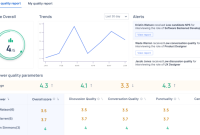
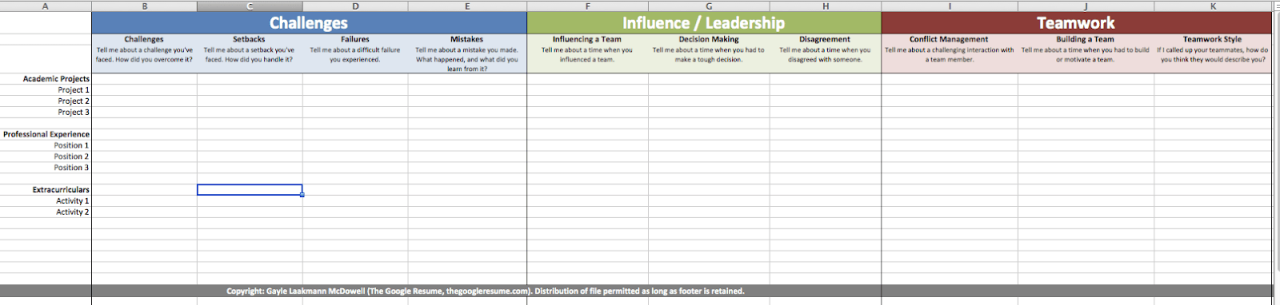
Behavioral Interview Toolkit is an essential resource for anyone looking to enhance their hiring process. It focuses on the unique approach of behavioral interviewing, which assesses candidates based on their past experiences and actions. This method not only provides insights into a candidate’s abilities but also helps identify their potential fit within the company culture.
Understanding the nuances of behavioral interviews can significantly improve the quality of hiring decisions. By exploring various techniques, challenges, and best practices in the toolkit, you’ll be equipped to navigate the complexities of selecting the best candidates effectively. This approach fosters a deeper connection between your organization’s values and the candidates you consider.
Mental health encompasses our emotional, psychological, and social well-being. It affects how we think, feel, and act. It also helps determine how we handle stress, relate to others, and make choices. Mental health is important at every stage of life, from childhood and adolescence through adulthood. In recent years, mental health awareness has gained significant traction, underscoring the necessity to address mental health issues openly and without stigma.
Understanding Mental Health
Understanding mental health is crucial in recognizing its significance in our lives. Mental health is not just the absence of mental illness; it includes the overall emotional and psychological functioning of an individual.
What is Mental Health?
Mental health refers to cognitive, emotional, and social well-being. It affects how individuals think, feel, and behave in daily life. Good mental health contributes to the quality of life and overall well-being.
Common Mental Health Disorders, Behavioral Interview Toolkit
Some common mental health disorders include depression, anxiety disorders, schizophrenia, eating disorders, and personality disorders. Each of these conditions has its symptoms and affects individuals differently.
Signs and Symptoms of Mental Health Issues
Recognizing the signs and symptoms of mental health issues is the first step in seeking help. Common indicators include persistent sadness, withdrawal from social activities, changes in appetite or sleep patterns, and difficulty concentrating.
The Impact of Mental Health on Daily Life
The impact of mental health on various aspects of life can be profound. Mental health issues can affect everything from physical health to relationships and productivity.
Effects on Physical Health
There is a strong link between mental health and physical health. Individuals with mental health disorders are at a higher risk for chronic conditions such as heart disease, diabetes, and obesity. Conversely, individuals with chronic physical conditions often experience mental health issues.
Impact on Relationships
Mental health can significantly impact interpersonal relationships. Individuals dealing with mental health challenges may find it difficult to connect with others, leading to isolation and strained relationships with family, friends, and colleagues.
Influence on Work and Productivity
Workplaces are also affected by mental health. Employees experiencing mental health issues may face challenges in maintaining productivity, leading to absenteeism and decreased performance. A supportive workplace environment can help alleviate some of these challenges.

Strategies for Maintaining Mental Health: Behavioral Interview Toolkit
Maintaining good mental health can be achieved through various strategies. Here are some effective methods:
Importance of Self-Care
Self-care is essential for mental health. Engaging in activities that promote relaxation, such as yoga, meditation, and hobbies, can significantly improve mental well-being.
Seeking Professional Help
Professional help from psychologists, counselors, or psychiatrists can provide individuals with the tools and support needed to manage their mental health. Therapy and medication are common treatment options.
Building a Supportive Network
A strong support network can make a significant difference in mental health. Engaging with friends, family, or support groups allows individuals to share their experiences and feel less alone.
Mental Health in Different Populations
Mental health is a critical issue across all populations, but certain groups may experience unique challenges.
Mental Health in Children and Adolescents
Children and teenagers face unique mental health challenges, including peer pressure, academic stress, and the impact of social media. Early intervention is crucial.
Mental Health in Adults
Adult mental health issues may arise due to stressors such as work, family responsibilities, and health concerns. Adults must prioritize their mental well-being to maintain a balanced life.
Mental Health in the Elderly
The elderly often face mental health challenges like loneliness, depression, and dementia. Understanding the needs of older adults is essential in providing proper support.
Conclusion
In conclusion, mental health is an integral part of overall health and well-being. Recognizing the importance of mental health allows individuals to seek help, maintain relationships, and lead fulfilling lives. It is crucial to prioritize mental health and work towards reducing the stigma associated with mental health issues.