Best Learning Platforms have revolutionized the way we acquire knowledge and develop new skills in today’s digital age. With a plethora of options available, these platforms cater to a diverse range of learning preferences and professional needs. From structured courses to interactive workshops, they provide invaluable resources that empower individuals to enhance their expertise in various fields.
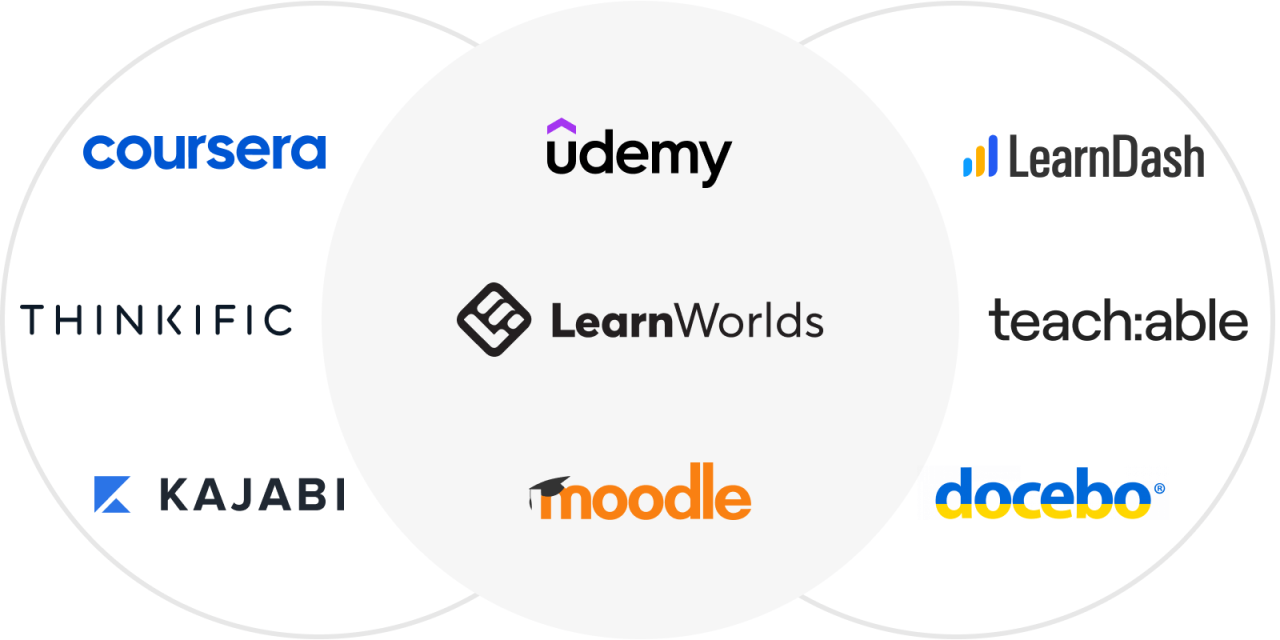
In this exploration of the best learning platforms, we will delve into the unique features that set them apart, the subjects they cover, and how they can be seamlessly integrated into your personal and professional development journey.

Web development is a field that encompasses a variety of tasks and skills necessary to create and maintain websites. It involves both the front-end and back-end aspects of a website, ensuring that everything works smoothly and efficiently for users. In this article, we’ll explore the fundamental concepts of web development, the technologies involved, and how to get started.
1. What is Web Development?
Web development refers to the process of building and maintaining websites. It can range from creating simple static pages to complex web applications. Web developers work with a variety of programming languages, tools, and frameworks to bring their projects to life.
2. Types of Web Development: Best Learning Platforms
There are primarily three types of web development: front-end, back-end, and full-stack development.
2.1 Front-End Development
Front-end development focuses on the client side of a website. This is what users interact with directly. Key technologies in front-end development include:
- HTML (HyperText Markup Language): The backbone of web pages, it structures the content.
- CSS (Cascading Style Sheets): This styling language is used to describe the presentation of HTML.
- JavaScript: A programming language that allows for dynamic content and interactivity on web pages.
2.2 Back-End Development, Best Learning Platforms
Back-end development deals with the server side of web applications. It involves managing databases, server logic, and application programming interfaces (APIs). Key technologies include:
- Node.js: A runtime environment that allows JavaScript to be used for server-side scripting.
- PHP: A server-side scripting language that is especially suited for web development.
- Python: Known for its readability and efficiency, Python is popular for web development and data analysis.
2.3 Full-Stack Development
Full-stack developers are skilled in both front-end and back-end development. They have an understanding of how the entire web application functions, allowing them to work on both sides effectively. This versatility can be a valuable asset in any development team.
3. Essential Tools and Technologies
To succeed in web development, you’ll need to familiarize yourself with various tools and technologies. Here are some of the most essential ones:
- Text Editors: Tools like Visual Studio Code, Sublime Text, or Atom help developers write and edit code efficiently.
- Version Control Systems: Git is a widely used version control system that allows developers to track changes in their code.
- Frameworks: Front-end frameworks like React, Angular, and Vue.js streamline the development process, while back-end frameworks like Express and Django offer robust structures for server-side development.
- Database Management Systems: MySQL, PostgreSQL, and MongoDB are commonly used to manage and store data securely.
4. Getting Started with Web Development
If you’re interested in pursuing a career in web development, follow these steps to get started:
4.1 Learn the Basics
Start by learning HTML, CSS, and JavaScript. These foundational languages are critical for any web developer. Online platforms like Codecademy, freeCodeCamp, and Coursera offer free courses to get you started.
4.2 Build Projects
Practical experience is essential in web development. Start with simple projects, such as personal portfolios or small web applications, to apply what you’ve learned.
4.3 Explore Advanced Topics
Once you’re comfortable with the basics, delve into more advanced topics like responsive design, frameworks, and APIs. Understanding these concepts will enhance your skills and make you more competitive in the job market.
4.4 Join a Community
Engaging with the web development community can provide support and encouragement. Join forums, attend meetups, or participate in online groups to connect with other developers.
5. Conclusion
Web development is a rewarding field that offers countless opportunities for creativity and problem-solving. By building a strong foundation in both front-end and back-end technologies, you’ll be well on your way to becoming a proficient web developer. Remember to continually learn and adapt, as the web evolves quickly. Happy coding!