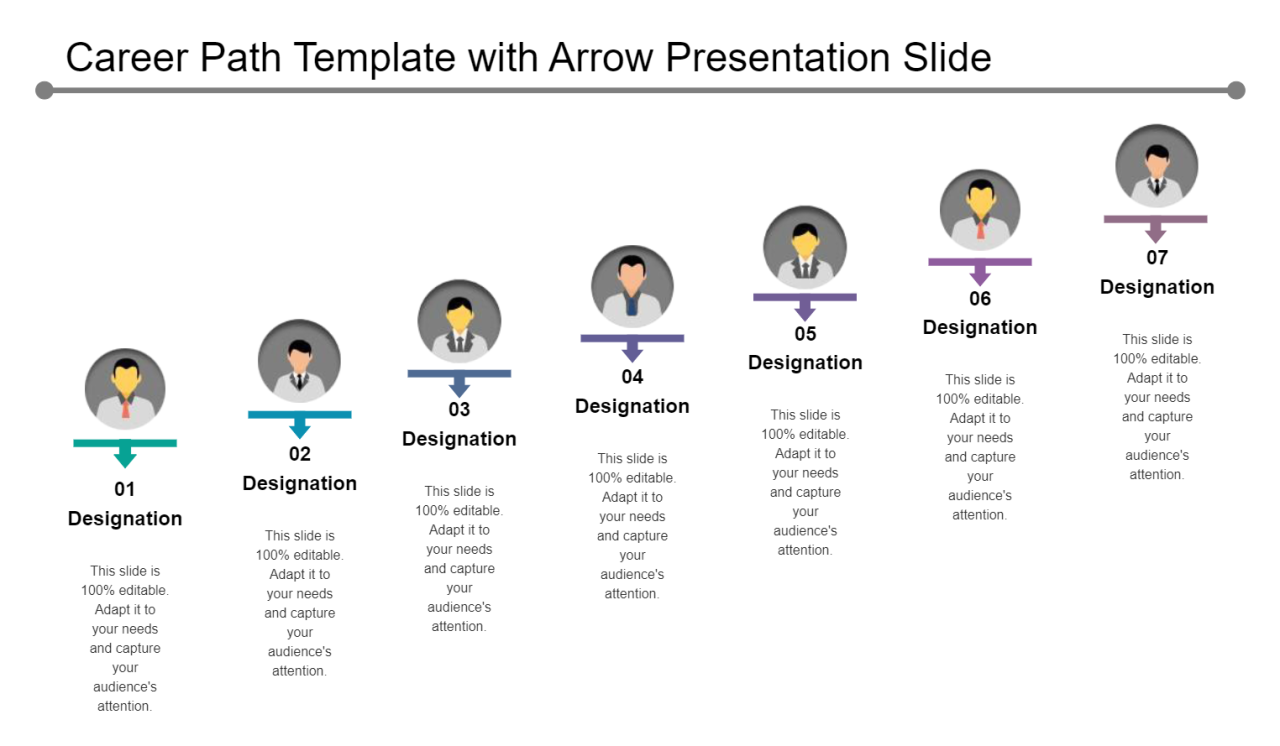
Career Path Planning sets the stage for this enthralling narrative, offering readers a glimpse into a story that is rich in detail. In today’s dynamic job market, understanding how to navigate your career path is crucial for achieving personal and professional success. This guide will explore the importance of thoughtful career planning, helping individuals identify their strengths, interests, and opportunities while considering the evolving landscape of various industries.
From assessing your skills to understanding the demand for certain roles, Career Path Planning involves a comprehensive approach that empowers you to make informed decisions about your future. Whether you’re just starting your career journey or looking to make a change, this resource will provide actionable insights that can help you chart a path to fulfillment and achievement.
Mental health awareness has gained significant importance over the past few years. With a growing understanding that mental health is just as crucial as physical health, it’s essential to shed light on this topic. Mental health refers to our cognitive, emotional, and social well-being, influencing how we think, feel, and act. It also affects how we handle stress, relate to others, and make choices.
Understanding Mental Health
Mental health can be affected by a variety of factors, including genetics, brain chemistry, trauma, and life experiences. It is also affected by the environment in which a person lives, including their social interactions and economic conditions. Recognizing the signs of mental health issues is the first step toward treatment and recovery.
Common Mental Health Disorders
Some of the most common mental health disorders include:
- Depression: A mood disorder characterized by persistent feelings of sadness and loss of interest.
- Anxiety Disorders: Disorders that cause significant nervousness, fear, apprehension, and worry.
- Bipolar Disorder: A condition that causes extreme mood swings that include emotional highs and lows.
- Schizophrenia: A severe mental disorder that affects how a person thinks, feels, and behaves.
- Post-Traumatic Stress Disorder (PTSD): A disorder that can develop after experiencing or witnessing a traumatic event.
The Impact of Stigma
Despite increasing awareness, stigma surrounding mental health persists. Many individuals hesitate to seek help due to fears of being judged or discriminated against. This stigma can prevent people from accessing the care they need, leading to worsening conditions and a reduced quality of life.
Combating Stigma
To combat stigma, it’s important to educate others about mental health, share personal stories, and promote understanding. Encouraging open conversations about mental health can help create an environment where individuals feel safe seeking help.
Promoting Mental Health Awareness
There are numerous ways to promote mental health awareness in your community:
- Organize Workshops: Host events that educate participants about mental health, its importance, and how to seek help.
- Utilize Social Media: Share resources, personal stories, and information on mental health through social media platforms to reach a broader audience.
- Collaborate with Local Organizations: Work with schools, businesses, and healthcare providers to create initiatives focused on mental health.
- Support Mental Health Charities: Donate to or volunteer with organizations dedicated to mental health research and support.
Self-Care Practices
Individuals can also promote their mental well-being through self-care practices:
- Mindfulness and Meditation: Engaging in mindfulness exercises can help reduce stress and improve mental clarity.
- Regular Exercise: Physical activity is known to boost mood and reduce symptoms of anxiety and depression.
- A Balanced Diet: Nutrition plays a vital role in physical and mental health. Eating a balanced diet can improve mood and energy levels.
- Quality Sleep: Ensuring adequate rest each night is crucial for mental health. Sleep deprivation can exacerbate mental health issues.
When to Seek Professional Help
Recognizing when to seek professional help is essential for mental health maintenance. If you experience persistent feelings of sadness, anxiety, or other overwhelming emotions, it may be time to consult a mental health professional. Therapy, counseling, and medication can provide necessary support and treatment.
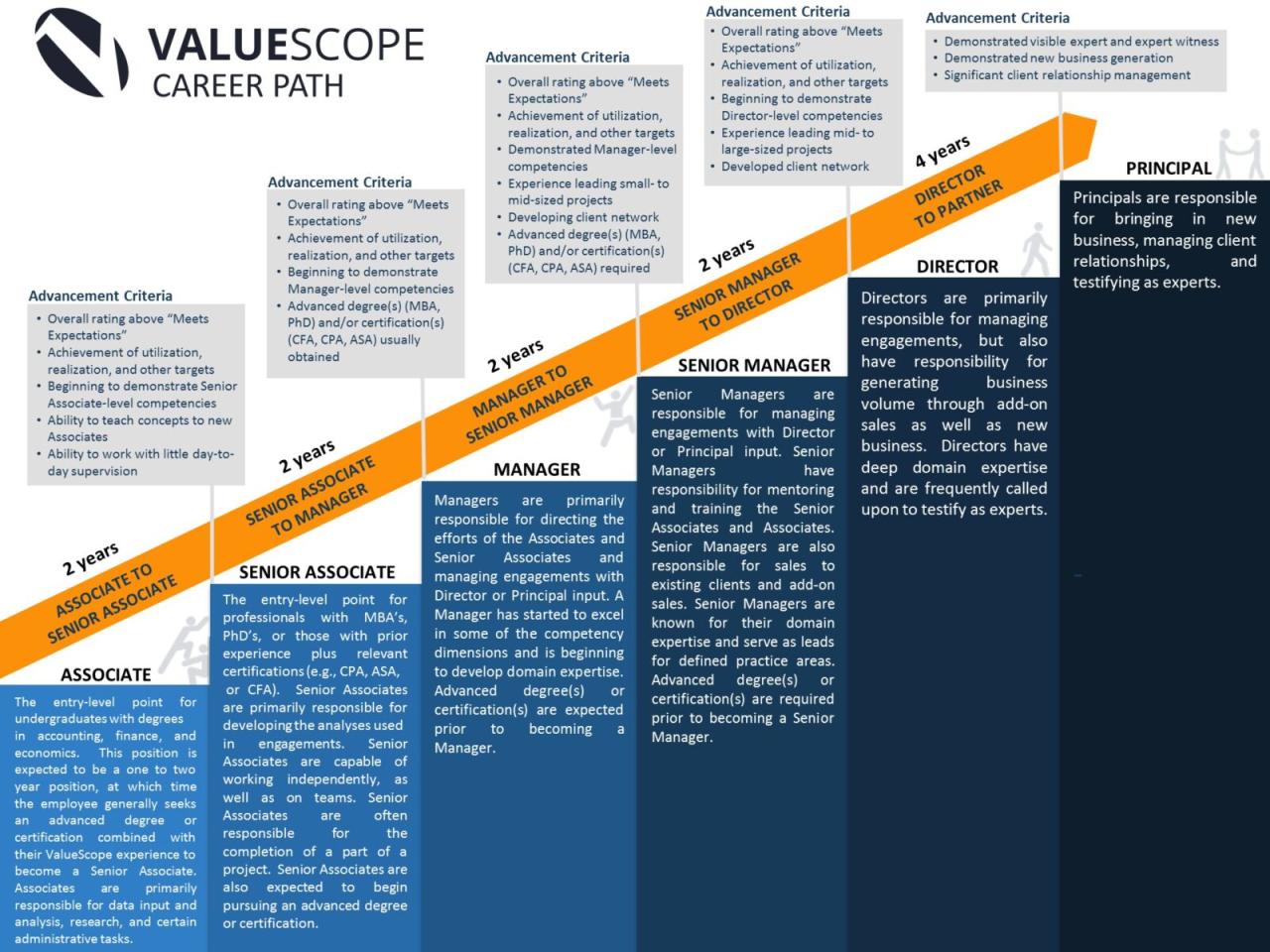
Types of Mental Health Professionals, Career Path Planning
When seeking help, individuals may encounter various types of mental health professionals, including:
- Psychologists: They specialize in the study of behavior and mental processes and often provide therapy.
- Psychiatrists: Medical doctors who can prescribe medication for mental health conditions.
- Clinical Social Workers: They provide counseling and support, often focusing on social and environmental factors affecting mental health.
- Counselors: Professionals who offer guidance and support in various areas of mental health.
Conclusion: Career Path Planning
Mental health awareness is vital for fostering a supportive environment where individuals can seek help without fear of stigma. By understanding mental health issues, promoting awareness, and encouraging self-care practices, we can contribute to better mental health for ourselves and those around us. Remember, prioritizing mental well-being is as important as physical health, and seeking help is a sign of strength, not weakness.