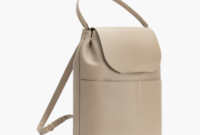
Leather vs. Faux Leather Bags Which One Should You Choose is a question that many fashion enthusiasts ponder as they navigate the world of bags. This choice often reflects not just personal style but also values such as sustainability, ethics, and practicality. Whether you’re drawn to the luxurious feel of genuine leather or the eco-friendly appeal of faux leather, understanding the pros and cons of each can help you make an informed decision.
As you delve deeper into this discussion, you’ll discover the distinguishing features of both materials, their impact on the environment, and what might suit your lifestyle best. From durability to maintenance, the journey to choosing the right bag goes beyond aesthetics, making it essential to weigh your options carefully.
In today’s fast-paced world, the practice of mindfulness has emerged as a powerful tool for achieving inner peace and mental clarity. Mindfulness, often defined as the psychological process of bringing one’s attention to the present moment, can significantly improve mental health and well-being. This article delves into the fundamentals of mindfulness, its numerous benefits, and practical ways to incorporate it into your daily life.
Understanding Mindfulness
Mindfulness has its roots in ancient meditation practices, particularly within Buddhism. However, its modern interpretation has evolved into a secular practice that anyone can adopt, regardless of their spiritual beliefs. At its core, mindfulness encourages individuals to focus on the here and now, promoting awareness and acceptance of one’s thoughts, feelings, and sensations without judgment.
The Science Behind Mindfulness
Recent studies have begun to uncover the scientific basis for mindfulness’s effectiveness. Research conducted by neuroscientists has shown that practicing mindfulness can lead to changes in the brain’s structure and function. For example, regular mindfulness practice can increase the gray matter density in areas of the brain associated with memory, empathy, and emotional regulation.
Benefits of Mindfulness
The benefits of mindfulness extend beyond mental health; they encompass emotional, physical, and social well-being as well. Some notable benefits include:
- Reduced Stress: Mindfulness helps individuals manage stress by promoting relaxation and reducing the production of stress hormones.
- Improved Focus: Practicing mindfulness enhances concentration, allowing individuals to focus better on tasks and responsibilities.
- Emotional Regulation: Mindfulness encourages individuals to observe their thoughts and feelings without becoming overwhelmed, leading to better emotional control.
- Enhanced Relationships: By fostering empathy and understanding, mindfulness can improve communication and connection with others.
- Better Physical Health: Mindfulness has been linked to lower blood pressure, improved sleep quality, and reduced chronic pain.
How to Practice Mindfulness: Leather Vs. Faux Leather Bags Which One Should You Choose
Incorporating mindfulness into your daily routine doesn’t have to be complicated. Here are some practical techniques to get started:
1. Mindful Breathing
One of the simplest ways to practice mindfulness is through mindful breathing. Find a quiet space, sit comfortably, and focus on your breath. Inhale deeply through your nose, hold for a moment, and exhale slowly through your mouth. Concentrate on the sensation of your breath entering and leaving your body. If your mind wanders, gently bring your focus back to your breath.
2. Body Scan Meditation
Body scan meditation is a technique that involves paying attention to different parts of your body, noticing any sensations without judgment. Lie down in a comfortable position and close your eyes. Start from your toes, working your way up to the top of your head, and observe how each part feels. This practice can help you connect with your body and release tension.
3. Mindful Walking
Mindful walking is another excellent way to practice mindfulness. Take a walk in a peaceful environment, focusing on the sensations of your feet touching the ground, the feeling of the air on your skin, and the sights and sounds around you. Try to be fully present in the moment, letting go of distractions.
4. Mindful Eating
Eating mindfully involves paying full attention to the experience of eating. Sit down at a table without distractions, take a moment to appreciate your food, and savor each bite. Notice the flavors, textures, and aromas, and chew slowly. This practice can enhance your relationship with food and promote healthier eating habits.
5. Daily Mindfulness Practice
Set aside a few minutes each day for mindfulness practice. Whether through meditation, mindful breathing, or journaling, consistent practice can deepen your mindfulness skills and enhance your overall well-being.
Overcoming Challenges in Mindfulness Practice
Like any new skill, practicing mindfulness can come with challenges. Here are some common obstacles and how to address them:
1. Wandering Mind
It’s normal for your mind to wander during mindfulness practice. When you notice this, gently guide your focus back to the present moment. Don’t judge yourself; it’s part of the process.
2. Time Constraints, Leather vs. Faux Leather Bags Which One Should You Choose
Many people feel they don’t have time to practice mindfulness. However, even a few minutes a day can make a significant difference. Start small and gradually increase the time as you become more comfortable.
3. Frustration with Progress
Mindfulness is a journey, not a destination. Progress may feel slow at times, but consistency is key. Celebrate small victories and be patient with yourself.
Conclusion
Mindfulness is an invaluable practice that can lead to profound changes in your life. By cultivating awareness and acceptance, you can navigate the complexities of modern life with grace and resilience. Whether you choose to meditate, practice mindful breathing, or simply observe your thoughts, embracing mindfulness can be the key to unlocking inner peace and happiness. So take a deep breath, ground yourself in the present moment, and embark on your journey towards mindfulness today.
Clarifying Questions
What are the main differences between leather and faux leather?
Leather is a natural material derived from animal hides, while faux leather, also known as synthetic leather, is made from plastic and other materials, imitating the look and feel of real leather.
Is faux leather more environmentally friendly than leather?
Faux leather can be seen as more environmentally friendly in certain contexts, as it does not involve animal products; however, its production can involve harmful chemicals and plastic materials.
How do I care for leather bags?
Leather bags require regular cleaning with a damp cloth, conditioning with leather cream, and should be kept away from direct sunlight and water to maintain their quality.
Are faux leather bags durable?
Faux leather bags can be durable, but they may wear out faster than genuine leather depending on the quality of the material and how well they are maintained.

Can I get a vintage look with faux leather?
Yes, many faux leather bags are designed to mimic the vintage look of real leather, giving you the aesthetic without the concerns related to animal products.