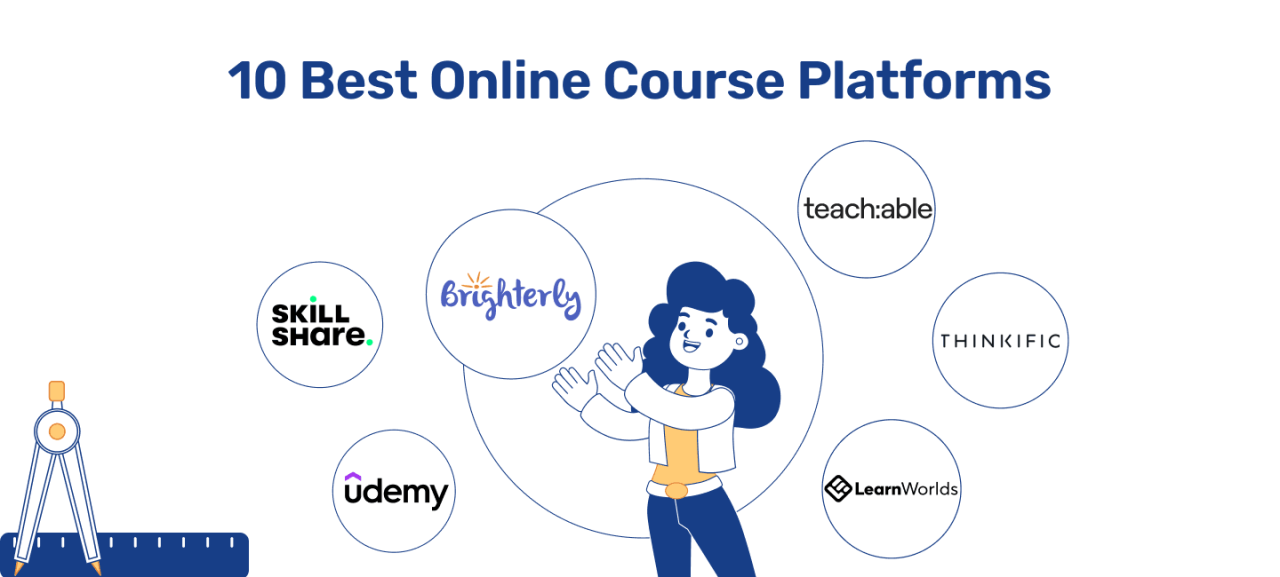
Online Course Platforms are revolutionizing the way we learn and share knowledge in today’s digital age. These platforms provide endless opportunities for individuals to access courses, develop new skills, and connect with experts from around the globe. As the demand for online education continues to surge, understanding the various features and benefits of these platforms can empower learners and educators alike.
From user-friendly interfaces to a diverse range of subjects, online course platforms cater to a wide audience, making education more accessible than ever before. They offer flexibility in learning, allowing users to study at their own pace while exploring innovative teaching methods that enhance engagement and retention.
As the world grapples with the effects of climate change, pollution, and resource depletion, the concept of sustainable living has emerged as a crucial lifestyle choice for individuals and communities alike. Sustainable living encompasses a range of practices and principles aimed at minimizing our environmental impact while promoting social equity and economic viability. This article delves into the significance of sustainable living, the principles that guide it, and practical steps individuals can take to live more sustainably.
Understanding Sustainable Living
Sustainable living refers to a lifestyle that seeks to reduce an individual’s or society’s use of the Earth’s natural resources and personal resources. It aims to create a balance between the needs of the present and the ability of future generations to meet their own needs. This concept is rooted in environmental science, social justice, and economic theory. The idea is to live in a way that is mindful of the ecological limits of our planet and to foster a world that is equitable for all.
The Three Pillars of Sustainability
Sustainable living is often characterized by the three pillars of sustainability: environmental, social, and economic. Understanding these pillars is essential for grasping the interconnectedness of our actions and their effects on the planet and society.
1. Environmental Sustainability
Environmental sustainability focuses on preserving natural resources and ecosystems. This includes practices such as reducing waste, conserving water, protecting biodiversity, and minimizing carbon footprints. By making more environmentally conscious choices, individuals can contribute to a healthier planet.
2. Social Sustainability
This pillar emphasizes the importance of social equity and community well-being. It advocates for fair treatment, social justice, and access to resources for all individuals, regardless of their background. Social sustainability is about creating communities where everyone can thrive and feel valued.
3. Economic Sustainability
Economic sustainability is concerned with creating economic systems that provide for current and future generations. This includes supporting local economies, investing in sustainable businesses, and promoting practices that lead to long-term economic health without depleting resources.

The Benefits of Sustainable Living: Online Course Platforms
Adopting a sustainable lifestyle offers numerous benefits not only for the planet but also for individuals and communities. Here are some key advantages:
1. Environmental Protection, Online Course Platforms
One of the most significant benefits of sustainable living is the protection of the environment. By reducing waste, conserving energy, and protecting natural habitats, individuals can help mitigate the effects of climate change and preserve biodiversity.
2. Improved Health
Living sustainably often leads to healthier choices. For example, consuming local and organic foods can reduce exposure to harmful chemicals and promote overall well-being. Additionally, sustainable transportation options, such as biking and walking, can improve physical health while reducing pollution.
3. Economic Savings
While some sustainable products may have a higher upfront cost, many sustainable practices can lead to significant savings in the long run. For instance, energy-efficient appliances lower utility bills, and reducing waste cuts down on disposal costs.
4. Community Resilience
By supporting local businesses and fostering community relationships, sustainable living contributes to stronger, more resilient communities. This resilience can help communities withstand economic downturns and environmental challenges.
Practical Steps Towards Sustainable Living
Transitioning to a sustainable lifestyle may seem daunting, but there are many practical steps individuals can take to make a positive impact. Here are some actionable tips:
1. Reduce, Reuse, Recycle
Following the three R’s of waste management can significantly reduce your environmental footprint. Start by reducing your consumption, reusing items whenever possible, and recycling materials to keep them out of landfills.
2. Conserve Water
Water is a precious resource that should be conserved. Simple actions like fixing leaks, taking shorter showers, and using drought-resistant plants in landscaping can contribute to significant water savings.
3. Choose Renewable Energy
Where possible, opt for renewable energy sources such as solar or wind power. Many utility companies now offer green energy options, allowing consumers to support sustainable energy generation.
4. Support Sustainable Transportation
Consider walking, biking, carpooling, or using public transportation to reduce your carbon footprint. If possible, invest in an electric or hybrid vehicle to minimize emissions.

5. Buy Local and Organic
Supporting local farmers and businesses not only boosts the economy but also reduces the carbon emissions associated with transporting goods. Organic products are often grown without harmful pesticides and fertilizers, contributing to healthier ecosystems.
6. Practice Mindful Eating
Being conscious of what you eat can greatly impact sustainability. Reduce meat consumption, incorporate more plant-based meals, and avoid processed foods. This not only benefits your health but also reduces the environmental impact of food production.
7. Get Involved in Your Community
Join local sustainability initiatives or groups that focus on environmental conservation, social justice, and community engagement. Working together with others amplifies your impact and fosters a sense of community.
The Role of Education in Sustainable Living
Education plays a vital role in promoting sustainable living. By educating ourselves and others about the importance of sustainability, we can inspire change and encourage more people to adopt eco-friendly practices. Schools, organizations, and community groups can implement programs that raise awareness about environmental issues and teach sustainable practices.
Additionally, integrating sustainability into curriculums at all educational levels can empower future generations to prioritize the environment. Teaching children about the importance of conservation, biodiversity, and responsible consumption can instill values that will guide them throughout their lives.
Conclusion
Sustainable living is not just a trend; it is a necessary approach to ensuring the longevity of our planet and well-being for future generations. By understanding the principles of sustainability and incorporating them into our daily lives, we can create a healthier, more equitable world. Every individual can make a difference, and collectively, our actions can lead to transformative change.
Embracing sustainable living is not merely a personal choice but a shared responsibility to protect our planet and each other.