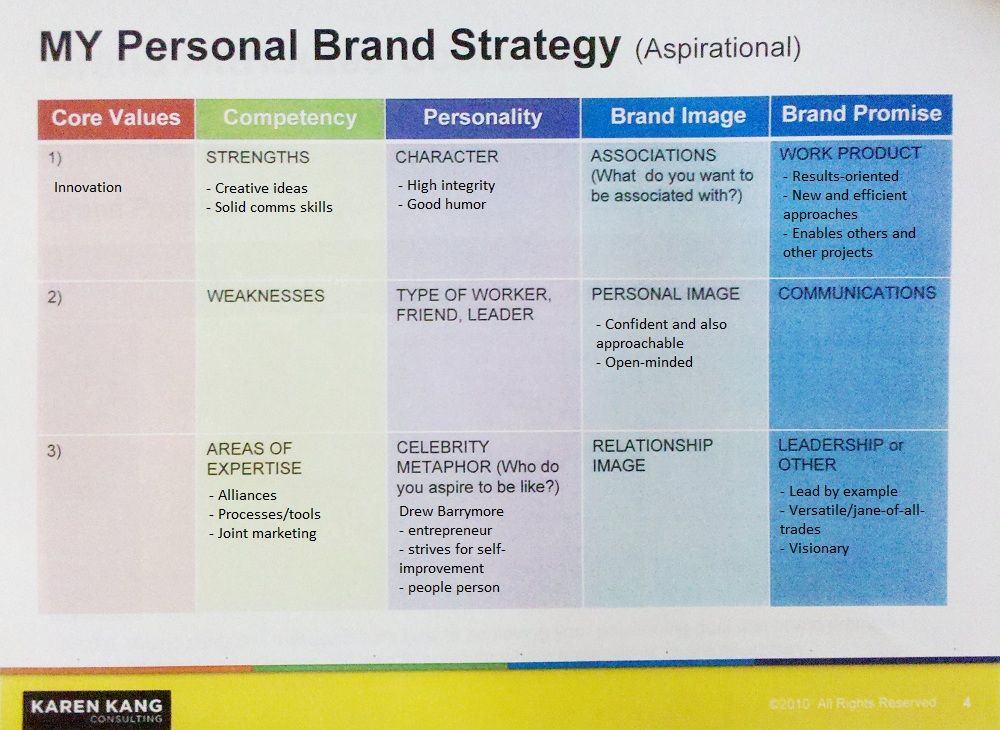
Personal Branding Strategy takes center stage as we explore how individuals can market themselves effectively in today’s competitive landscape. In a world where first impressions matter, cultivating a strong personal brand can set you apart and open doors to new opportunities. This strategy involves not just how you present yourself but also the values and messages you convey, making it essential for personal and professional growth.
An effective personal branding strategy encompasses understanding your unique strengths, defining your target audience, and communicating consistently across various platforms. Whether you’re an entrepreneur, a professional seeking advancement, or someone looking to establish their presence online, mastering the elements of personal branding will empower you to navigate your career with confidence.
` tags.“`html
Exercise is often touted as one of the most crucial components of a healthy lifestyle. Whether it’s through vigorous workouts at the gym, leisurely walks in the park, or engaging in fun sports with friends, the benefits of regular exercise extend far beyond physical appearance. In this article, we will explore the numerous advantages of incorporating exercise into your daily routine, how it impacts both physical and mental health, and tips on how to get started.
The Physical Benefits of Exercise: Personal Branding Strategy
Regular physical activity is essential for maintaining a healthy body. Here are some of the key benefits:
- Weight Management: One of the most significant benefits of exercise is its role in weight management. Physical activities burn calories, which can help you maintain a healthy weight or lose weight if that’s your goal.
- Strengthens Muscles and Bones: Exercise plays a pivotal role in building and maintaining strong muscles and bones. Activities like weight lifting and resistance training stimulate muscle growth and increase bone density.
- Improves Cardiovascular Health: Engaging in regular aerobic exercise strengthens the heart, reduces the risk of heart disease, and improves overall circulation.
- Boosts Immune Function: Moderate exercise is known to enhance immune function, helping the body to fend off illnesses more efficiently.
- Enhances Flexibility and Balance: Activities such as yoga and stretching can improve flexibility, balance, and coordination, which are especially important as we age.
The Mental Health Benefits of Exercise
Exercise is not only beneficial for physical health but also has profound effects on mental well-being. Here are several advantages:
- Reduces Stress: Physical activity triggers the release of endorphins, which are hormones that promote feelings of happiness and euphoria, helping to reduce stress levels.
- Combat Anxiety and Depression: Regular exercise has been shown to alleviate symptoms of anxiety and depression. It can serve as a natural antidepressant, providing relief without the need for medication for some individuals.
- Boosts Self-Esteem: Achieving fitness goals, whether big or small, can significantly boost self-esteem and confidence. Regular exercise can lead to improvements in body image and self-perception.
- Enhances Cognitive Function: Exercise has been linked to improved memory, focus, and overall cognitive function. It promotes brain health by increasing blood flow and supporting the growth of new brain cells.
- Improves Sleep Quality: Regular physical activity can help you fall asleep faster and deepen your sleep, leading to improved overall health and well-being.
Different Types of Exercise
There are various forms of exercise, each offering unique benefits. Here’s a look at some popular types:
- Aerobic Exercise: Also known as cardiovascular exercise, this includes activities like running, swimming, cycling, and dancing. These exercises increase heart rate and promote better cardiovascular health.
- Strength Training: This type of exercise involves using weights or resistance to build muscle strength. It can include weight lifting, resistance band workouts, or bodyweight exercises like push-ups and squats.
- Flexibility and Stretching: Yoga and Pilates fall under this category. These activities focus on improving flexibility, range of motion, and core strength.
- Balance Exercises: Important for preventing falls, particularly in older adults, balance exercises can include tai chi, standing on one leg, or using balance boards.
How to Get Started with an Exercise Routine
Starting an exercise routine can be daunting, but with the right approach, it can become an enjoyable part of your daily life. Here are some tips to help you get started:
- Set Clear Goals: Determine what you want to achieve with your exercise routine, whether it’s weight loss, improved endurance, or simply maintaining general health.
- Start Slowly: If you’re new to exercise, start with shorter sessions and gradually increase the duration and intensity. This helps prevent injuries and makes the process more enjoyable.
- Choose Activities You Enjoy: Exercise doesn’t have to be a chore. Find activities that you enjoy, whether it’s dancing, hiking, swimming, or joining a local sports team.
- Stay Consistent: Aim to make exercise a habit by scheduling regular workouts throughout your week. Consistency is key to seeing results.
- Find a Workout Buddy: Exercising with a friend can keep you motivated and make workouts more enjoyable. Plus, it adds an element of accountability!
Overcoming Common Barriers to Exercise
Many people face barriers that prevent them from exercising regularly. Here are some common obstacles and strategies to overcome them:
- Time Constraints: A busy schedule can make it challenging to find time to exercise. Try to incorporate short bursts of activity throughout your day, like taking stairs instead of the elevator or going for a quick walk during lunch breaks.
- Lack of Motivation: It’s natural to feel unmotivated at times. Setting specific, achievable goals can help reignite your motivation. Rewarding yourself for reaching milestones can also provide an extra incentive.
- Intimidation at the Gym: If you feel intimidated by a gym environment, consider starting with home workouts or joining group classes where everyone is focused on improving together.
- Injuries or Health Issues: If you have physical limitations, consult a healthcare provider or fitness professional to develop a safe exercise plan tailored to your needs.
Creating a Balanced Exercise Routine
A well-rounded exercise routine incorporates various types of workouts to achieve overall fitness. Here’s how to create a balanced routine:
- Cardio Workouts: Aim for at least 150 minutes of moderate aerobic activity (like brisk walking) or 75 minutes of vigorous activity (like running) each week.
- Strength Training: Include strength training exercises for all major muscle groups at least two days a week.
- Flexibility Work: Incorporate stretching or flexibility workouts at the end of your exercise sessions to enhance recovery and prevent injuries.
- Rest Days: Allow time for recovery by scheduling rest days to let your body recuperate and prevent burnout.
Conclusion
In conclusion, the benefits of regular exercise are multifaceted, impacting both physical and mental health. Incorporating different types of exercise into your routine can help you achieve a balanced, healthy lifestyle. Remember, the journey to fitness is unique for everyone, and it’s essential to find what works best for you. Start small, stay consistent, and most importantly, enjoy the process of becoming a healthier version of yourself!